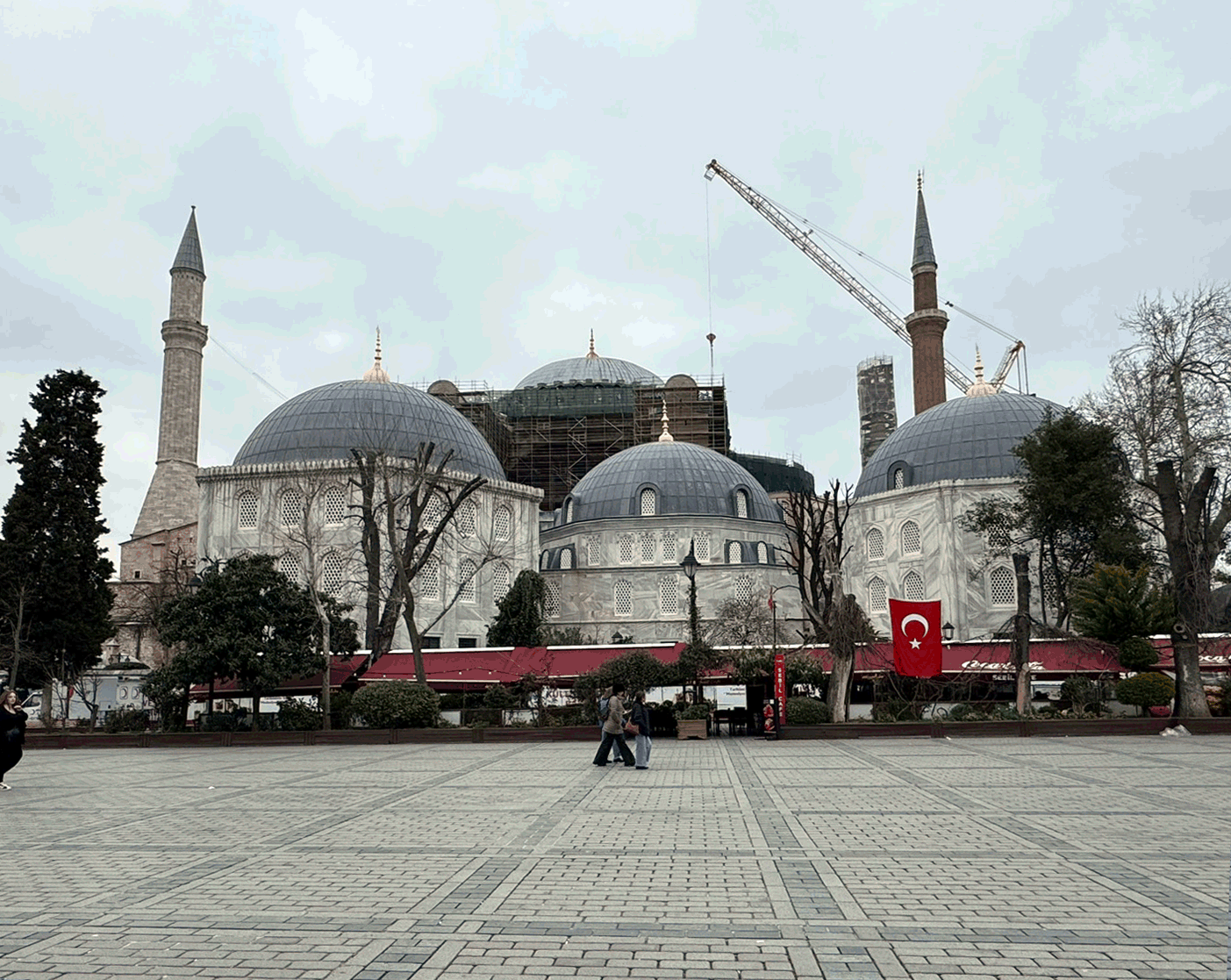
I had only a short time in Istanbul. I walked, looked up, and took more photographs than I expected. What stayed with me most was Hagia Sophia: a place I knew from history books, but whose Christian mosaics I had never seen with my own eyes. I left knowing I had barely started.
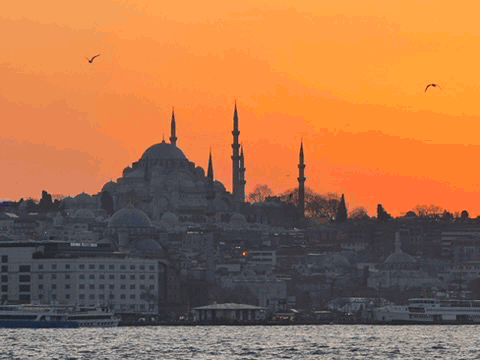
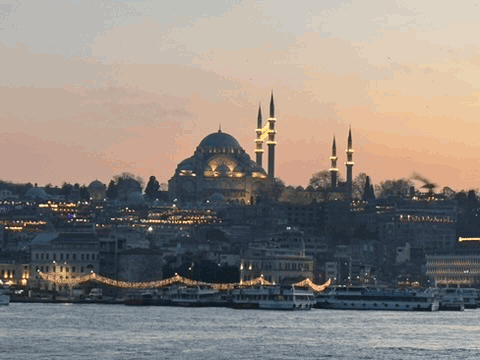
Inside Hagia Sophia
Hagia Sophia opened in 537 as the great church of Constantinople. After the Ottoman conquest in 1453 it became a mosque. It later served as a museum and reopened for Muslim worship in 2020. It is a mosque today, so I entered as a visitor with respect for the people who pray there. The building is also part of the UNESCO-listed historic areas of Istanbul.
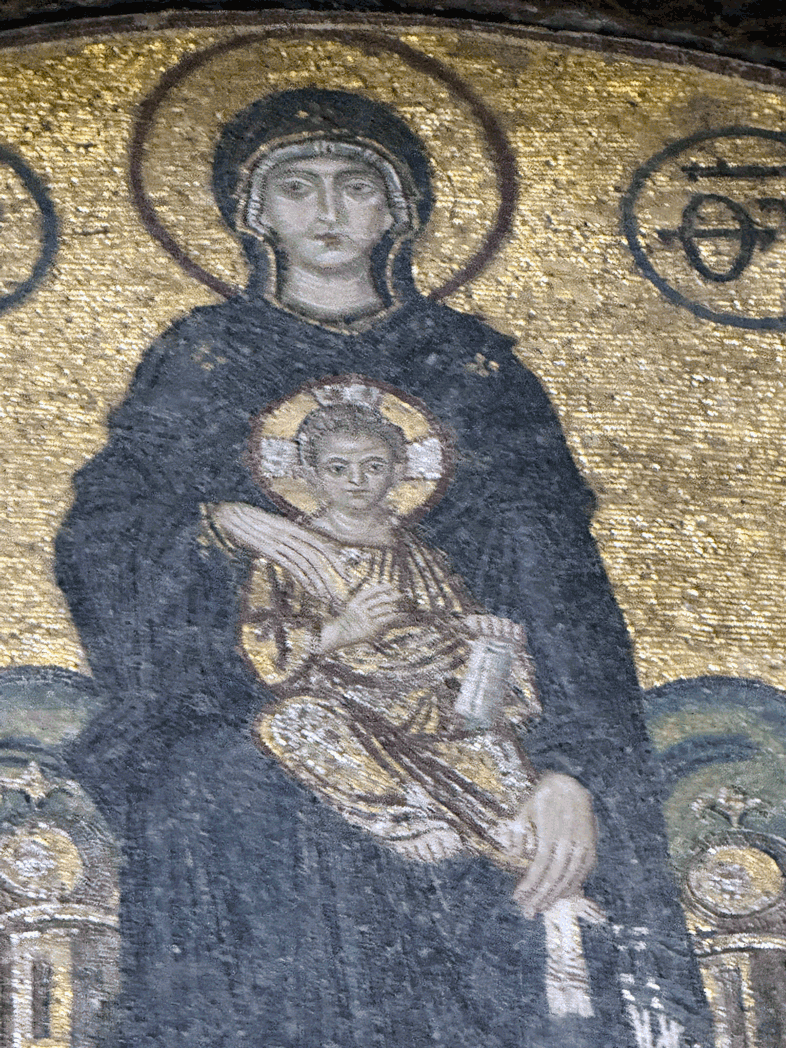
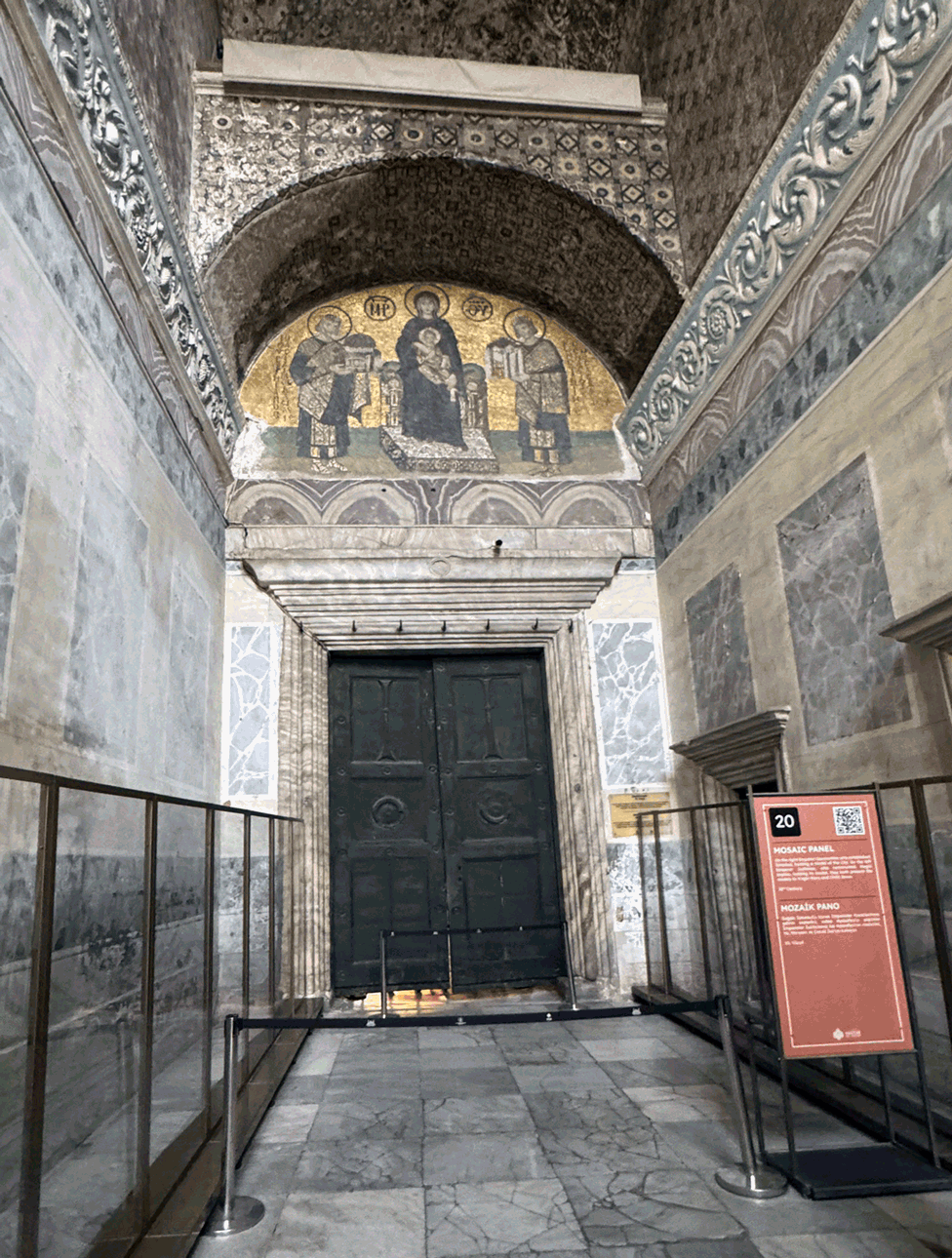
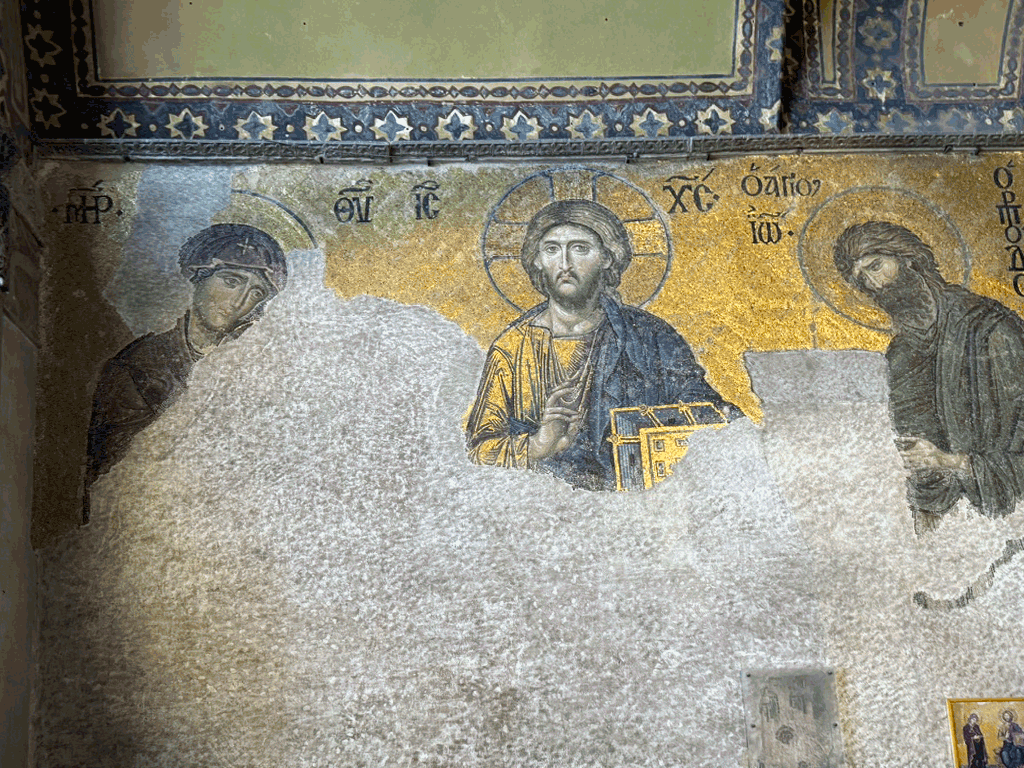
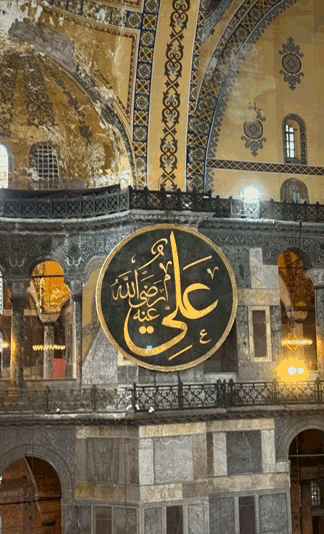
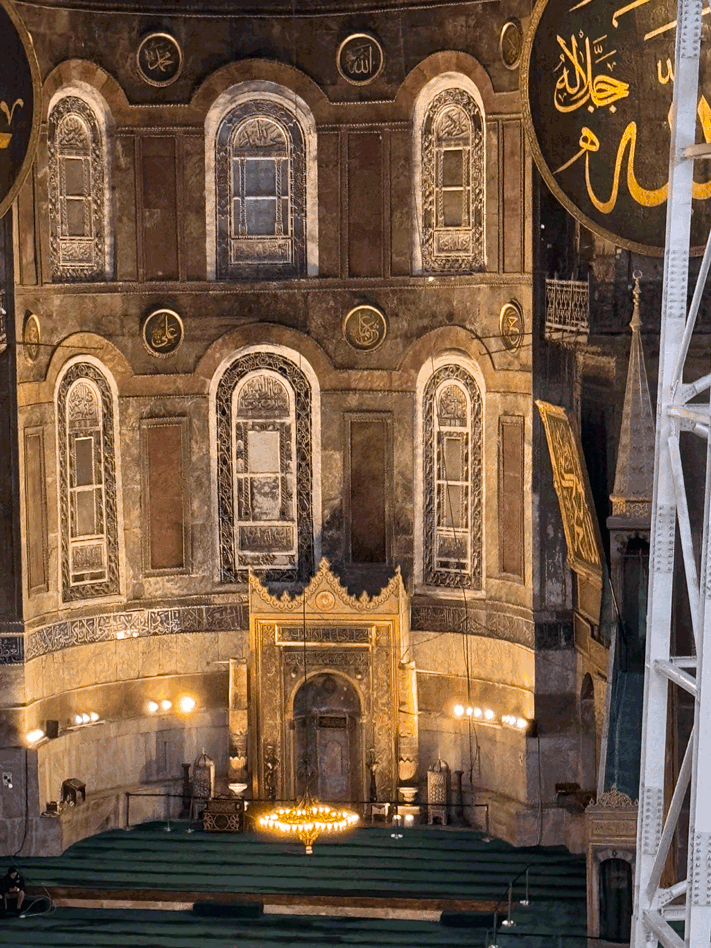
I kept looking up. One mosaic shows Mary holding the Christ Child. Another, often called the Deësis, shows Christ between Mary and John the Baptist. I could see the worn places where parts of the image have been lost. Nearby are the large round panels of Arabic calligraphy added during the building’s life as a mosque. Those details say more about Istanbul’s long religious history than any quick photograph of the dome could.
Why Constantinople matters to a Christian
Istanbul was Constantinople, the capital of the Eastern Roman Empire and home of a church whose influence reached far beyond this city. If you say the Nicene Creed at Mass, part of its story belongs here. The creed began at Nicaea in 325 and was completed at the Council of Constantinople in 381. The Vatican’s account of the councils explains that history. Standing among the mosaics gave those dates a place in my mind.
The city’s Christian life did not end with the Byzantine Empire. The Ecumenical Patriarchate is still based here, and Istanbul has Catholic parishes too. On a longer visit I would make time for the Patriarchal Church of Saint George, the Catholic Cathedral of the Holy Spirit, and Saint Anthony of Padua. These are living places of prayer; check their own pages before going for Mass or a visit.
Pope Leo came that November
Around the time of my trip, Pope Leo XIV visited Türkiye in November 2025 on the first apostolic journey of his pontificate. In Istanbul he met Catholics at the Cathedral of the Holy Spirit, prayed with Ecumenical Patriarch Bartholomew at Saint George, and celebrated Mass. He also went to İznik, the ancient Nicaea, for the 1,700th anniversary of the first council. His visit brought the ancient councils and today’s Christian communities into the same conversation.
A little of the city beyond it
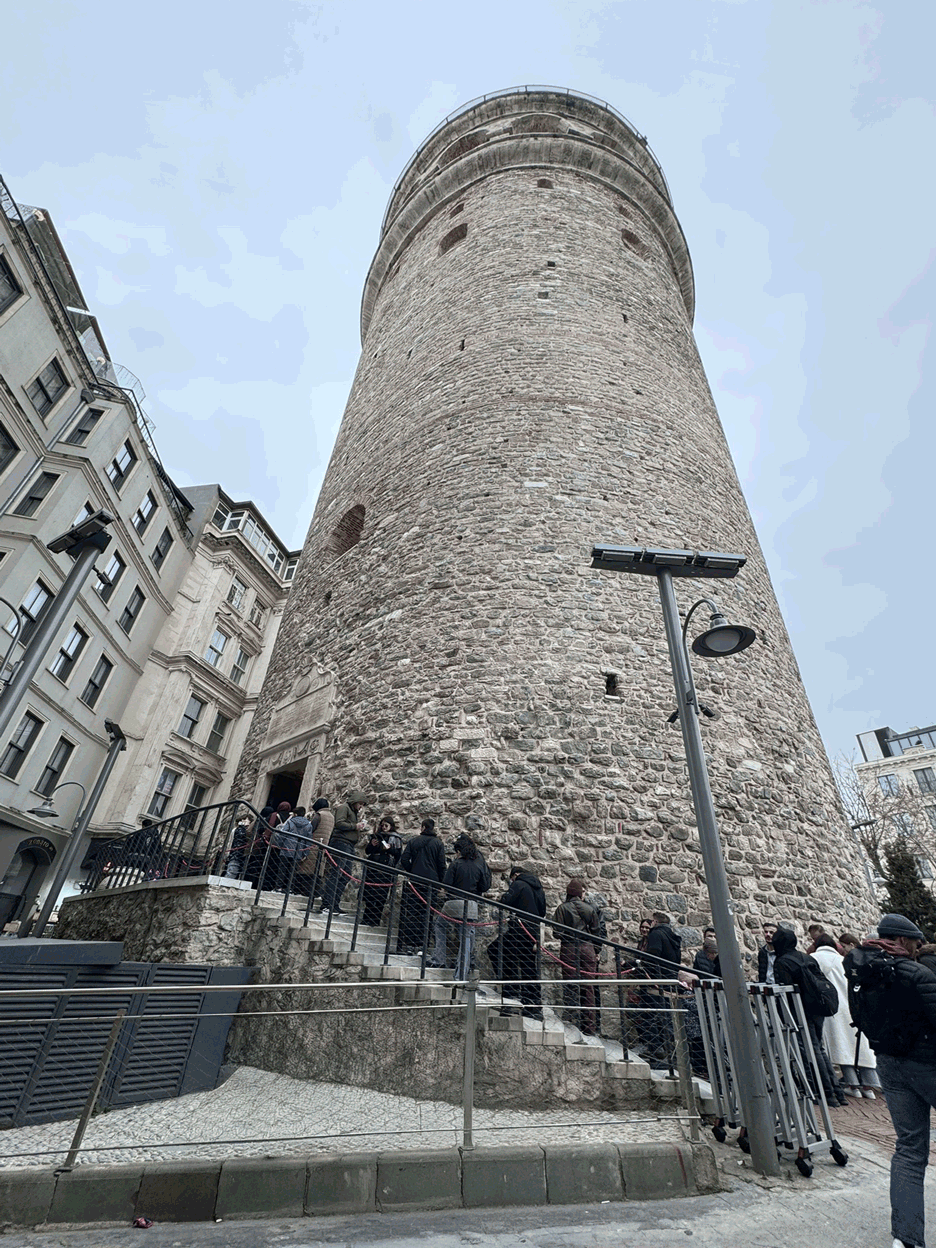
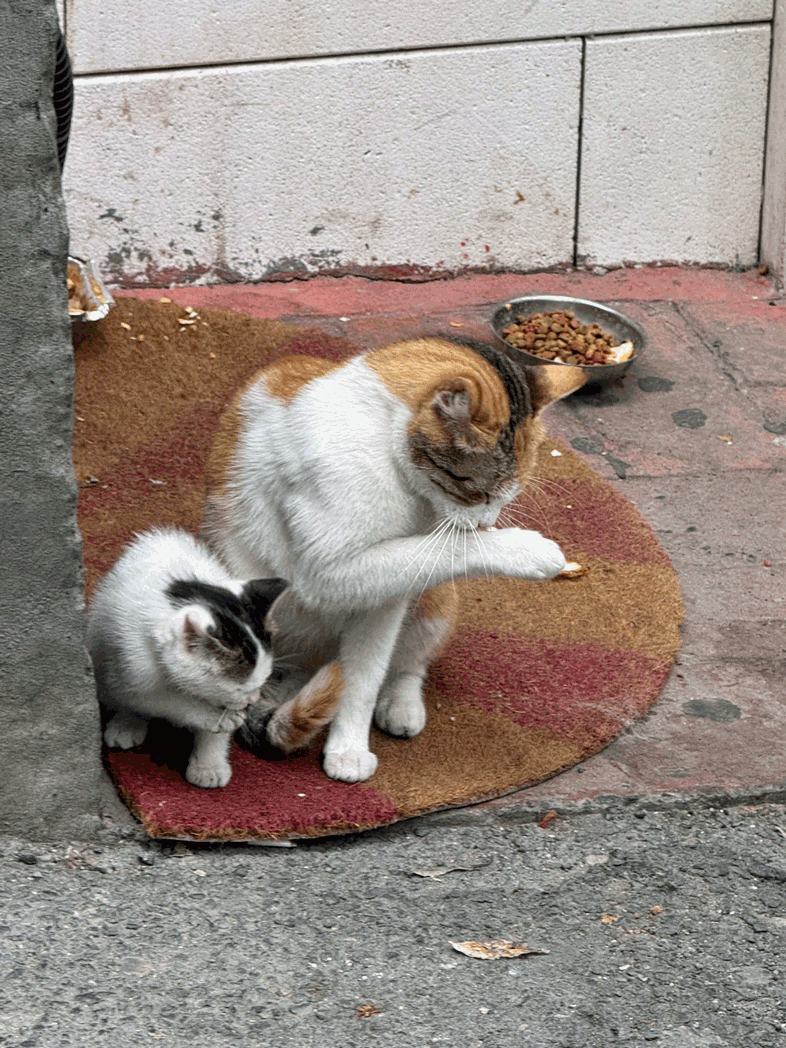
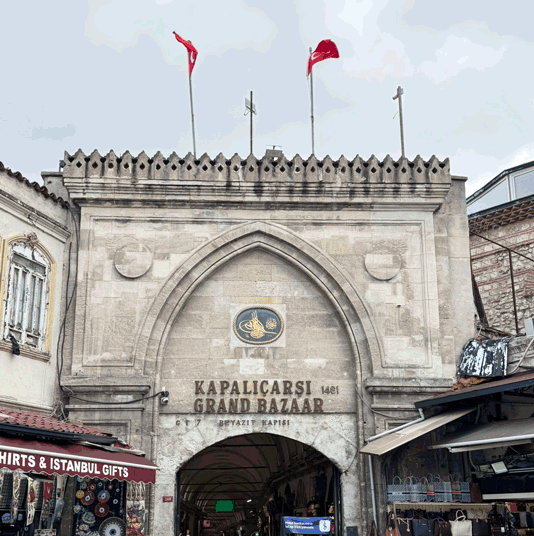
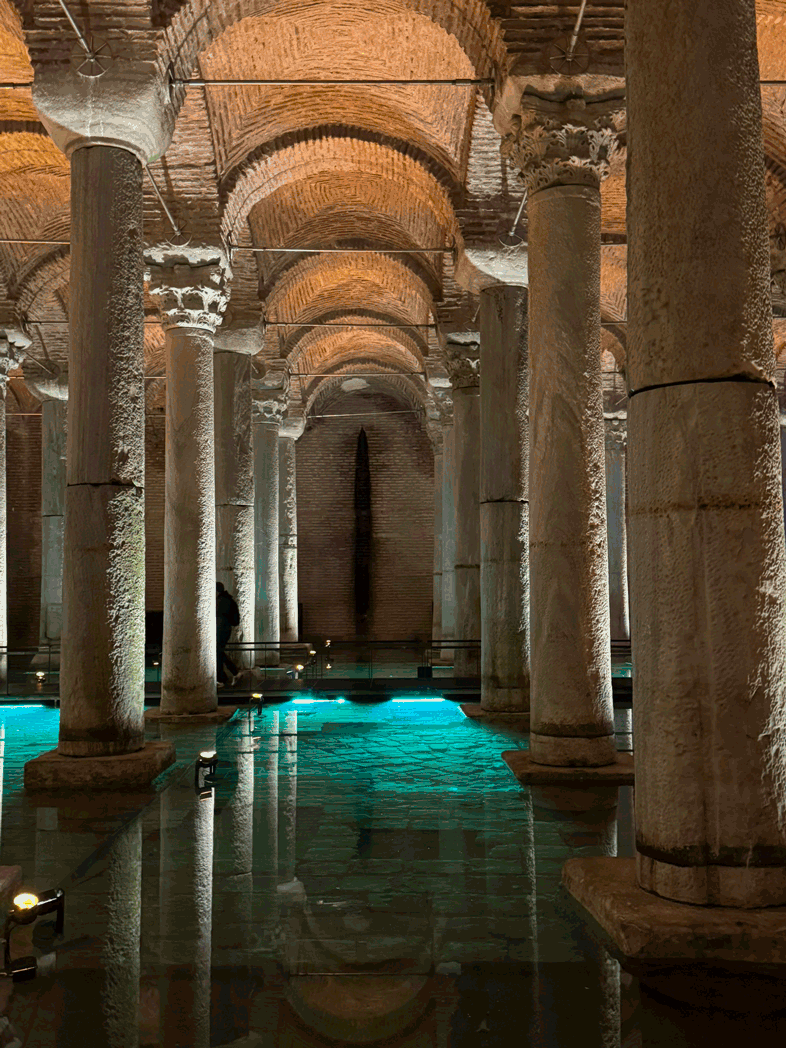
A short tour also leaves room for ordinary Istanbul. I photographed Galata Tower, a cat with her kitten, and the Grand Bazaar entrance. Near Hagia Sophia, the Basilica Cistern takes you below the streets into the city’s Roman past. None of these was the reason I came as a pilgrim, but they helped me see the city as more than a collection of monuments.
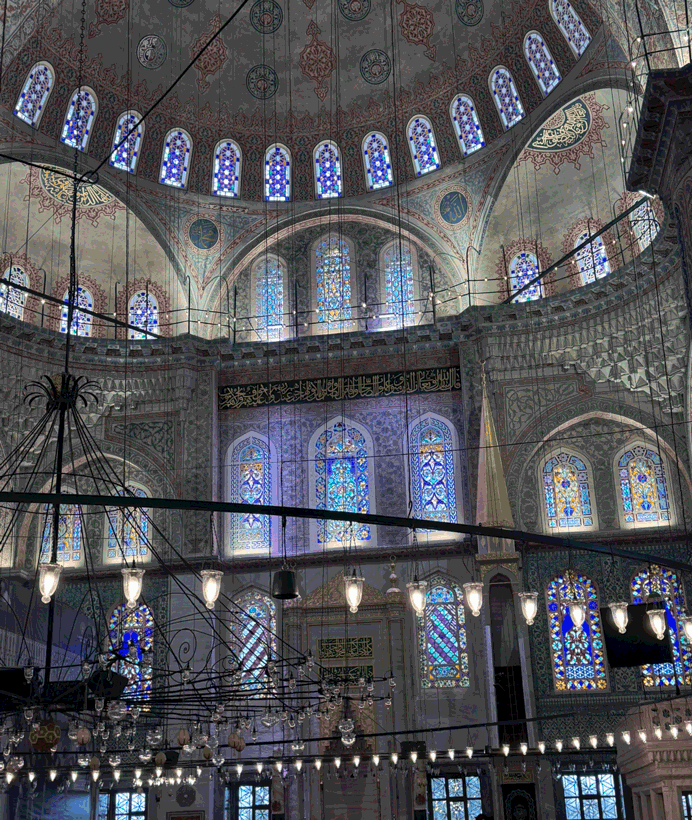
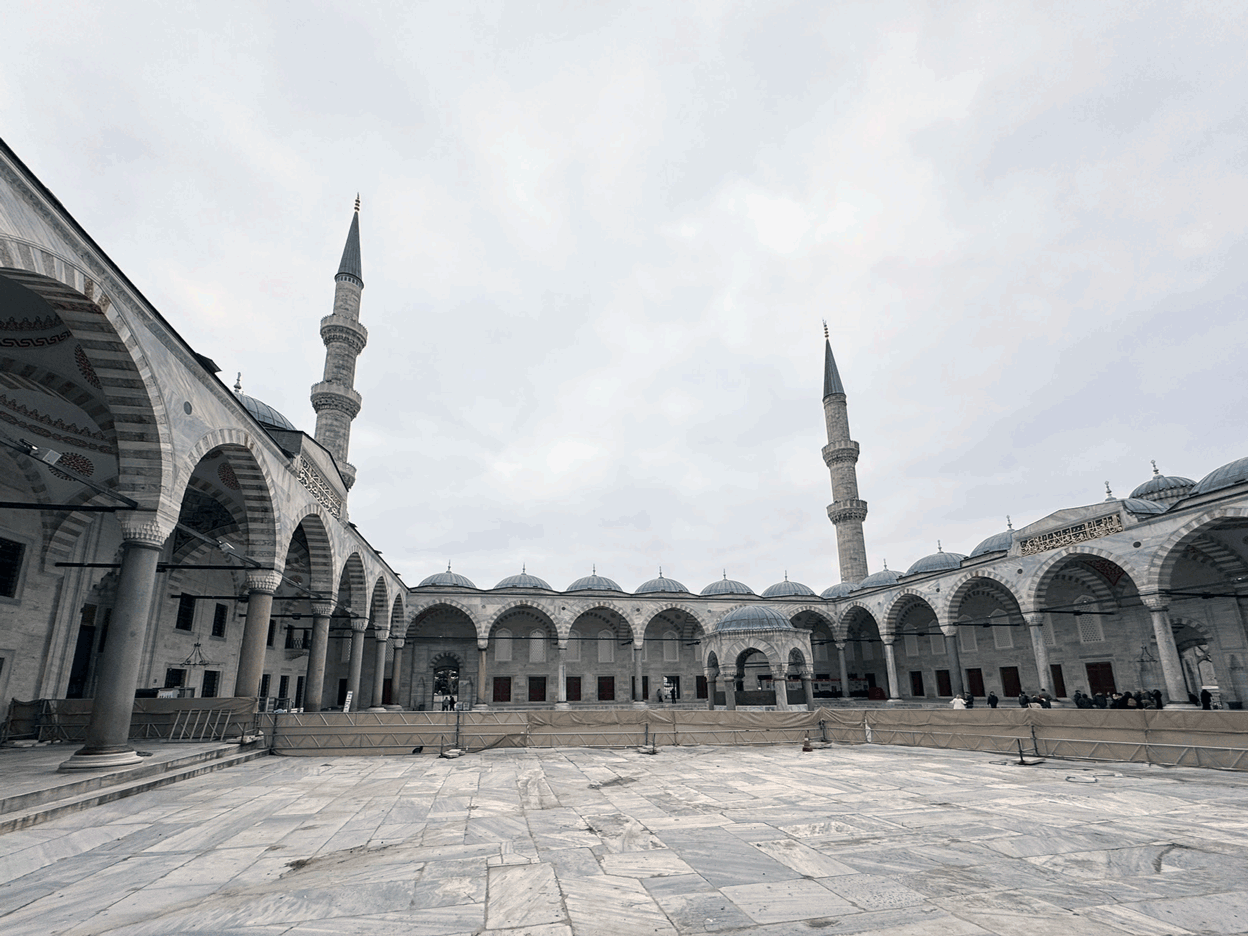
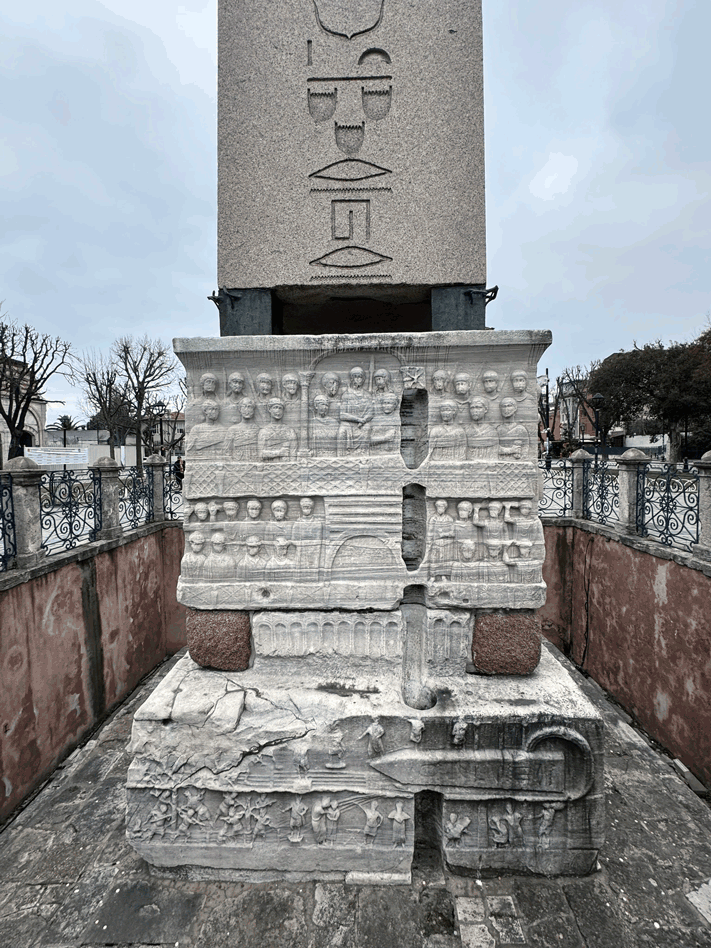
Across Sultanahmet Square, I also photographed the Sultan Ahmed Mosque, often called the Blue Mosque, and its courtyard. It is another active house of worship. The ancient obelisk nearby stands in what was once Constantinople’s Hippodrome. In a few minutes’ walk you pass Roman, Byzantine and Ottoman history, while people around you are simply going about their day.
I would go back with more time. I would visit the churches I missed and leave room to pray with the Christians who live here now. This brief visit gave me a start: a face of Christ in a mosaic, a city still at prayer, and a much longer list for next time.